Copyright © 2026 Simply Cozy Homes. All Rights Reserved

Air Fryer Problems: Causes & Fixes for Common Issues
Identify common air fryer problems, what causes them, and how to fix issues with uneven cooking, smoke, noise, heating, and more.
ByAlan
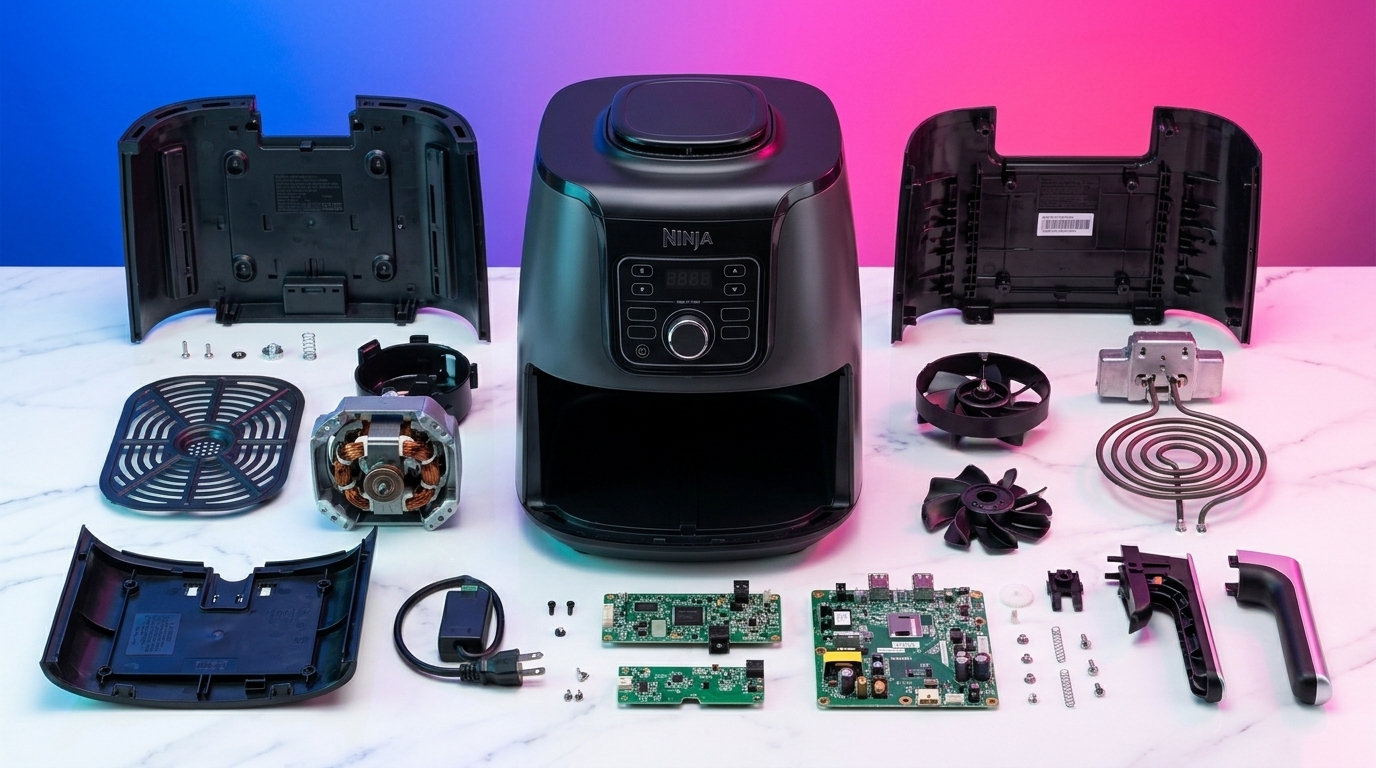
Air fryer problems are faults in power, heating, airflow, cooking results or wear that keep the appliance from working safely or well. Most of them begin with simple causes, such as a basket that is not seated, a greasy chamber, a crowded load or a tripped breaker. That means many issues can be sorted out in a few minutes with basic checks and no tools at all. Most problems trace back to airflow, oil, temperature or contact, so those four factors are the best place to look first.
The practical question is whether you are dealing with a quick fix or a fault that needs repair or replacement. Soggy fries, mild smoke from a dirty tray or a unit that will not start with the drawer slightly open are all easy to correct. A burnt-out heating element, a failing fan or a damaged cord is different and may mean the appliance has reached the end of its useful life. Knowing which side of that line you are on saves time, money and risk.
It helps to sort problems into three categories: safety, performance and user error. User-error problems include overcrowding, too much or too little oil and wet food, and they are fixed by changing how you cook. Hardware faults involve the heating element, fan or temperature sensor, and they usually need parts or replacement. Safety problems, such as a frayed cord, melting or a persistent burning smell, always take priority and mean you should stop using the unit.
What Should You Check First When an Air Fryer Misbehaves?
Start by unplugging the air fryer and letting it cool, then check the cord and plug, confirm the basket is seated and make sure the vents are clear. These steps take only a couple of minutes and rule out the most common causes before you suspect any internal part. Cool the unit fully for 30 minutes before using it again after any unexpected stop. Heating up again straight away can trigger the same protection that shut it down.
Next, match the symptom to a first fix. If there is no power, test the outlet and breaker. If there is no heat, check that the drawer is fully closed and look for grease buildup. For smoke, clean the basket, tray and chamber. For poor results, reduce the load, dry the food and adjust the oil. If a code appears, check the manual for your brand, since meanings differ from model to model.
Basic checks resolve many faults because the appliance relies on safety switches and thermal protection that react to ordinary conditions. A loose basket, blocked vent or overloaded circuit can mimic a broken part, so basic checks can fix a dead or malfunctioning unit without a service call. One check is not negotiable, though: visible fraying or melting on the cord or plug means the unit is unsafe. Do not keep using it. Replace it instead of trying to patch the damage.
Why Won’t My Air Fryer Turn On?
An air fryer that will not turn on usually has a power or seating problem, not a failed appliance. Work through the likely causes in order: the outlet, the plug and cord, a tripped breaker or fuse, and the basket or drawer position. Most models will not start unless the basket or drawer is fully closed, because a safety switch cuts power when it is slightly open. Power problems usually point to the outlet or breaker rather than the appliance itself.
Stop right away if you see a damaged cord or smell burning, because neither is a DIY fix. Those signs suggest an electrical fault inside the cord or unit, and continuing to test it risks shock or fire. If the outlet works, the basket clicks home and the cord looks sound, an internal safety device or control board may be at fault. At that point, repair or replacement is the realistic path rather than more tinkering.
- Test the outlet with another small appliance.
- Check the breaker or fuse.
- Inspect the cord and plug.
- Reseat the basket fully.
How Do You Check the Power Supply, Cord and Breaker?
To check the power supply, plug a different small appliance into the same outlet, inspect the cord and plug, and look at the breaker panel. If the other device works and the cord is intact, the air fryer itself is more likely the problem. If the outlet is dead, the cause is the circuit, not the fryer. Avoid loose extension leads, which add resistance and a weak connection for a high-draw appliance.
Inspect the cord and plug with the unit unplugged and cool. Look for fraying, cuts, heat marks, discoloration or a plug that fits loosely in the socket. Any of these means the cord should not be used, and visible melting means the appliance is unsafe and should be replaced. A plug that feels warm after a cook is also worth taking seriously.
Air fryers draw 1,200-2,200 W, which can load a shared circuit. At 1400-2000 W, a kettle or microwave on the same circuit can trip the breaker mid-cook. Kitchen GFCI outlets can also trip under the load, so test the outlet first and press its reset button. If the breaker trips even when the fryer runs alone, suspect an internal fault.
Does Resetting an Air Fryer Help?
Resetting can help, but only when the problem is a temporary glitch. Reseat the basket, unplug the unit and plug it in again, then restart. Unplugging for ten minutes lets the internal safety thermostat reset when the unit is unresponsive. Some models also have a physical reset button on the bottom or back.
A reset will not help if the fryer keeps shutting down. Repeated shutoffs after you have reseated the basket, cleared the vents and tried another outlet point to a worn component, an overheating issue or a circuit fault. Each restart in that situation only repeats the stress. If the same shutdown returns after a proper reset and cool-down, move on to the other checks in this guide.
Why Did My Air Fryer Stop Heating Up?
When the fan runs but there is no heat, the cause is usually a damaged or burnt-out heating element, a thermostat or temperature sensor fault, or overheating protection. The fan and heater work on separate circuits, so one can keep going while the other fails. A fan that runs for a long time with no warmth suggests a fault rather than a normal cool-down. Distinguish a dead unit from partial heating, which often points to grease or a protection trip.
With the unit unplugged and cool, examine the chamber for grease buildup, debris or element damage. Heavy grease can insulate the coil and trigger the thermal cutoff, so a thorough clean sometimes restores heat. Also confirm the basket is fully seated, since the safety switch can block the heater while leaving the fan on. If the element looks broken or burnt, or heat does not return after cleaning, the fix is a replacement part or a new unit.
Why Does My Air Fryer Keep Shutting Off Mid-Cook?
An air fryer that shuts off mid-cook usually has overheating protection kicking in, a safety switch opening or a circuit that cannot handle the load. Most models cut power when they overheat, especially during extended or high-temperature use. A drawer that is only slightly open will also make the unit shut off mid-cycle. Work through the likely causes below, starting with the easiest.
Fixes follow the causes: give the unit clearance, clean grease from the chamber, reduce the load and move to a dedicated outlet. A loose plug or shared circuit can interrupt power even when the fryer is healthy. Wait until the unit has cooled before restarting it. If it still shuts off after every fix, a worn component is likely and repair or replacement is the sensible next step.
- Overheating protection
- Blocked vents
- Grease buildup
- Overloaded circuit
- Loose plug
- Worn component
What Do Air Fryer Error Codes Mean?
Error codes vary by brand, so the manual is the final authority for your model. One widely seen example is E2, which means the unit is too hot and has shut down to prevent damage. Let it cool, clear the vents and clean the chamber before trying again. If the same code returns quickly, a sensor or control fault is likely.
Flashing lights or beeping without a code usually signal overheating, incorrect basket placement or a power interruption. Start with the simplest checks: unplug the unit, let it cool, reseat the basket and try a different outlet. If the display stays unresponsive or the warning repeats, treat it as a fault rather than a glitch. The table summarizes the first move for each case.
| Signal | Try first |
|---|---|
| E2 | Cool down |
| Flashing/beeping | Reseat basket |
Why Is My Air Fryer Smoking or Smelling?
Smoke usually comes from grease and food residue, fatty foods, too much oil or fat touching the heating element. Dripping grease that reaches the element or chamber floor burns off as smoke. Regular cleaning of the basket, tray and chamber removes most of the fuel. Drain fat, use less oil and ventilate the kitchen while you cook.
The color and timing of the smoke matter. A faint smell in the first two or three cooks is considered normal and should fade. Black or chemical smoke can indicate melting, plastic packaging or coating burning. Turn the unit off and unplug it if that happens.
A persistent burning smell is different from a new-appliance odor. If it continues after a thorough clean, stop using the fryer. Check for food stuck on the element, packaging that slipped into the chamber or melted parts. If the smell remains, the unit may have an internal fault and needs repair or replacement.
How Do You Stop White Smoke from Greasy Food?
To stop white smoke from greasy food, trim visible fat, clean after each use and lower the temperature. The smoke comes from fat dripping onto a hot base, so reducing the drips and the heat addresses the cause. Drain the tray between batches. Greasy residue left from a previous cook will smoke again.
Adding about two tablespoons of water to the drip area keeps dripping fat below its smoking temperature. Check your manual first, because this helps only on some brands and is not suitable for every design. Never fill the drawer deeply. Water is for catching drips, not for covering the base.
For smoke control, cook fatty foods at 175-185 °C (350-365 °F) and allow longer cooking time. Bacon, sausages and burgers benefit from this gentler heat because less fat flashes into smoke. The food still browns, only more slowly. Wipe the chamber after cooling so tomorrow’s meal does not start with leftover grease.
Why Isn’t Food Crisping or Cooking Evenly?
Food fails to crisp or cook evenly mainly because of restricted airflow, surface moisture, poor oil use or the wrong temperature. Overcrowding is the most common cause, since hot air needs room to reach every surface. Cook in a single layer with small gaps and split large amounts into batches. Shake or flip food halfway through to avoid hot spots.
Moisture and oil matter just as much. Water must evaporate before browning begins, so pat food dry, and use a teaspoon or two of oil, which makes the difference between dry and crisp on most foods. Air fryers often run hotter than oven expectations, so lower the temperature if the outside burns before the inside cooks. The table lists common causes and fixes.
Preheating involves a tradeoff. Skipping it can create a temperature lag that leads to steaming, while some models have a built-in preheat setting that can take up to 5 minutes. If the problem persists after you change your technique, check for a dirty heating element or grease on the fan. Both reduce airflow and heat.
| Cause | Fix |
|---|---|
| Overcrowding | Single layer |
| Wet food | Pat dry |
| No oil | Add 1-2 tsp |
Why Does Food Come Out Dry or Overcooked?
Food comes out dry or overcooked because fast-circulating air pulls moisture from the surface quickly. The fix is usually a lower temperature or shorter time, with earlier checks than a recipe suggests. Small or thin pieces can dry out in minutes. Check them early instead of trusting a time written for an oven.
Lean and light ingredients suffer most. Skinless meat, small vegetables and delicate foods have little fat to protect them. Adding a little oil, covering with a suitable method, or cutting pieces larger can slow moisture loss. Uniform sizes also keep some pieces from drying while others finish.
Chicken should reach 165°F (75°C), which is the safe target, so use a thermometer instead of cooking by guesswork. Pulling it as soon as it reaches that temperature prevents the extra minutes that dry it out. Overcooking often comes from fear of undercooking. A thermometer lets you stop at the right moment.
Cut choice also matters. Bone-in, skin-on chicken stays juicier than boneless, skinless cuts because the skin and bone help hold moisture and slow cooking. If you prefer boneless breast, shorten the time and check early. Resting briefly after cooking helps juices settle.
Is Cooking Spray or Foil Safe to Use?
Aerosol cooking spray is best avoided, and foil or liners are safe only if they do not block airflow or touch the element. Propellants in cooking sprays could damage the air fryer coating. An oil mister filled with your own oil is a simple alternative. It coats food lightly without pressurized additives.
Pressurized sprays with propellants and emulsifiers degrade non-stick surfaces with repeated use. The damage builds gradually as residue forms a sticky film that is hard to wash off. That film can cause more sticking and eventual flaking. Applying oil directly to the food is gentler on the basket.
Foil and liners need care because experts warn they can block airflow and affect cooking results. Never cover the vents or the whole basket base. Keep any liner weighted down with food. Lightweight paper can lift into the circulating air.
A loose liner that rises toward the heating element is a fire concern as well as a cooking problem. Choose liners with holes that fit the basket, and use them only when food covers them. If the liner moves during cooking, remove it. Often it is easier to skip the liner and clean the basket after use.
What Causes Basket and Nonstick Coating Damage?
Basket damage comes mainly from metal contact, abrasive cleaners, aerosol spray and overheating. Non-stick coatings degrade with metal contact, abrasive cleaners and overheating. Metal utensils scratch the surface, and scouring pads wear it away. Once the surface is scratched, food sticks more and the coating wears faster.
If the coating is peeling or flaking, replace the basket and stop using it if flakes enter food. Damage cannot be repaired by cleaning. White spots or residue may come from hard water or soap, so rinse thoroughly and dry after washing. Those marks are usually surface deposits, not coating loss.
Heat is another factor. PTFE coating releases toxic fumes when heated above 500°F (260°C). Keep to the temperatures in your manual and never run the unit empty at high heat for long. Use silicone or wooden tools and a soft sponge to protect the surface.
Why Is My Air Fryer Louder or Beeping?
A louder fan usually means grease on the fan, debris, loose parts or blocked vents. Unplug and cool the unit, then clean the chamber and check for anything that rattles. A failing fan makes a rattling, labored sound. If cleaning does not quiet it, the fan or motor may be wearing out.
Constant beeping or a unit that will not start often traces back to a basket that is not seated, a sensor problem or a control fault. Repeated flashing or beeping can signal overheating, basket placement or power interruption. Reseat the basket, let the fryer cool and try another outlet. Test the controls and display to see whether they respond.
A fan fault matters because airflow keeps heat even and stops the unit from overheating. A noisy fan combined with weak crisping suggests restricted airflow. If controls stay unresponsive or the display behaves erratically, a control fault is likely. Repeated noise or beeping after the basic checks calls for repair or replacement.
How Do You Prevent Air Fryer Problems?
The best prevention is regular cleaning, sensible loading and good placement. Wash the basket and tray with warm soapy water after every use to prevent grease buildup. Unplug the unit and let it cool completely before cleaning. Use non-abrasive products, and keep the vents and element free of grease.
Avoid overloading the basket so air can circulate. Leave space for air circulation around the unit, and do not push it against a wall or under low cabinets. Good clearance protects against overheating shutoffs. Use compatible utensils and check the cord regularly for wear.
Storage and habits also count. Store the cooled unit where the cord is not bent or crushed. Dry food, use light oil and avoid aerosol sprays to protect the coating. A short routine after each cook prevents most of the problems in this guide.
- Wash basket and tray after use
- Leave air space around the unit
- Avoid overloading
- Check the cord
Can a Broken Air Fryer Be Repaired or Should You Replace It?
A broken air fryer can sometimes be repaired, but it often makes more sense to replace it. Repair is viable when the fault is a replaceable part such as the cord, element or fan, and cost and warranty make sense. Check the warranty before opening the unit. Self-repair involves high-voltage parts and voids the warranty.
Replacement is the better choice with age, repeated shutdowns, a damaged coating or a burning smell. Most air fryers last between two and five years, depending on quality and use. Most cost $60-$150, while electrical labor is usually $80-$120 per hour. If repair cost nears the price of a new unit, replace it.
Know when to stop troubleshooting. If basic checks, cleaning and a reset fail, further effort rarely pays off. Safety signs such as melting or a persistent burning smell end the discussion immediately. When replacing, look for a sturdy basket, solid build and a clear warranty.
- Repair: replaceable part, warranty valid
- Replace: old, repeated shutdowns, damaged coating
